Is Minimax the Best AI Model for OpenClaw?
Summary
## The Problem: AI Costs Are Eating Your Budget Running OpenClaw with Claude Opus can get expensive fast—at **$5 per million tokens**, costs add up when you're doing serious development work. For developers building AI-powered workflows, this creates a real barrier to experimentation and iteration. ## The Solution: Minimax with Smart Optimization Minimax offers a compelling alternative at **$0.30 per million tokens**—over 16x cheaper than Opus. Even better, Minimax provides **fixed-cost coding plans** ($10-20/month) that make budgeting predictable. But there's a catch: Minimax has a "dumb zone" where it struggles when context gets too large. The key is **optimization**. By keeping your workspace lean and feeding information strategically, you can get excellent results at a fraction of the cost. ## Tutorial: Optimizing OpenClaw for Minimax **1. Trim Your SOUL.md File** - Keep it to **15-30 lines maximum** (not 300+) - The bloated context file is the #1 cause of the "dumb zone" - Be ruthless—only include essential personality and behavior rules **2. Clean Up Directory Structure** - Remove unused files and folders regularly - Less clutter = better context management - Minimax performs best with focused, organized workspaces **3. Use Fixed Coding Plans** - Subscribe to Minimax's $10-20/month coding plan - Predictable costs, no surprise bills - Perfect for consistent development work **4. Feed Documentation First** - Don't assume Minimax knows your project - Explicitly provide docs, then outline the plan, then execute - This structured approach prevents confusion and hallucination **5. Give Specific Roadmaps** - Minimax excels with clear, step-by-step instructions - Avoid open-ended "figure it out" tasks - Best for: copying GitHub projects, following tutorials, implementing defined features ## Integration: Using Minimax with Claude Code You can route Claude Code through Minimax by **changing the Anthropic base URL** in your configuration. This lets you keep familiar workflows while slashing costs. ## Real-World Use Cases - **Building news aggregators**: Clear requirements, structured data - **Scraping GitHub projects**: Well-defined copying tasks - **Following tutorials**: Step-by-step implementation ## When NOT to Use Minimax - Creative problem-solving with vague requirements - Exploratory coding without clear direction - Tasks requiring deep reasoning about ambiguous goals For those scenarios, stick with Opus or use a hybrid approach—Minimax for execution, Opus for planning.
Related Videos
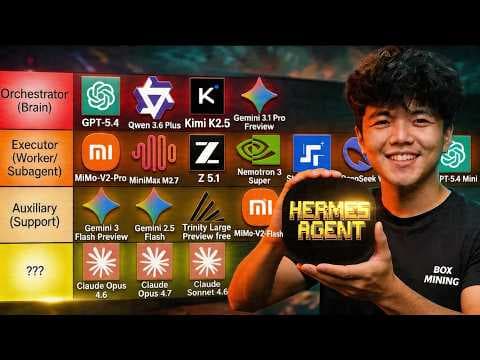
Top AI Models for Hermes Agent (Tier List)

Opus 4.7 is disappointing

Anthropic releasing Opus 4.7 TOMORROW?

Claude Opus is ACTUALLY UNUSABLE

Muse Spark: Meta Unleashes NEW AI Model (Are they back?)