Best Model for Openclaw (WildClaw Benchmarks!)
Summary
If you've been wondering which AI model gives you the best bang for your buck in OpenClaw, this video breaks down the WildClaw benchmark — a real-world testing suite designed specifically for OpenClaw use cases, not just generic software benchmarks. Unlike academic or software-focused benchmarks, WildClaw actually runs agents inside a Dockerized container, has them read emails, launch tasks, and operate the way you would in a real workflow. That makes it a much more honest signal of what you can expect day-to-day. Here's what the benchmark shows: Claude Opus leads the pack with a 51% task success rate, but running the full test suite costs $80 in API calls — and with Anthropic recently cutting limits on their coding plan, many users are already looking for alternatives. GPT-4.5 comes in close behind Opus at roughly a quarter of the cost, making it a popular switch for people who want solid performance without the price tag. On the cheaper end, Mimo — a model from Xiaomi, the Chinese phone and car manufacturer — scores surprisingly well, especially in Chinese-language tasks. It's currently available for free on platforms like Kilo Code for an extended trial period, so you can test it out at no cost. MiniMax 2.7 is another budget option that the team has been running internally for two months. There is a noticeable performance drop compared to Opus, but if you're on a coding plan with generous token limits, it can be a practical choice that keeps costs manageable. Grok also gets a mention for raw speed — it completed the full benchmark suite in about 94 minutes compared to roughly 500 minutes for other models, making it nearly five times faster. The video also teases upcoming results for GLM5, which its makers claim reaches 90% of Opus performance and is tuned for agentic use cases. One important caveat: now that WildClaw is open source and publicly available, AI companies will likely start optimizing specifically for this benchmark, which could reduce its reliability over time. For now though, the results align closely with real-world internal testing. You can also run and modify the benchmark yourself to get results tailored to your own workflows.
Related Videos
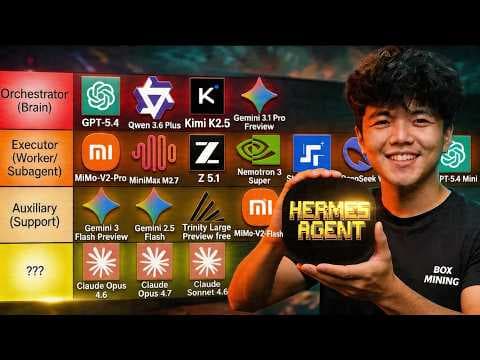
Top AI Models for Hermes Agent (Tier List)

Opus 4.7 is disappointing
Anthropic releasing Opus 4.7 TOMORROW?

Claude Opus is ACTUALLY UNUSABLE

Muse Spark: Meta Unleashes NEW AI Model (Are they back?)